A curated collection of verified CRBN binders
4 900 compounds
The IMiD Library represents our first edition of a comprehensive CELMoD (Cereblon E3 ligase modulatory drug) compound collection. CELMoDs are first class of clinically proven degraders small molecules offering new therapeutic opportunities across challenging disease areas.
Evolving from complex protein-targeting chimeras (PROTACs) to lead-like molecular glues (MGs), these molecules demonstrate improved PK/PD profiles and expanded applications, including use in CNS disorders. This rapidly advancing field holds enormous promise for discovering drugs with novel modalities.
All molecules in the library have been evaluated in newly developed assays for CRBN binding. Using an engineered full-length human CRBN construct expressed in E. coli — which eliminates the need for DDB1 co-expression—we established a cost-efficient high-throughput screening (HTS) platform. This assay was recently published in Cell Chemical Biology (2025, 32(2): 363), with binding affinity data and full experimental details provided in the supplementary materials.
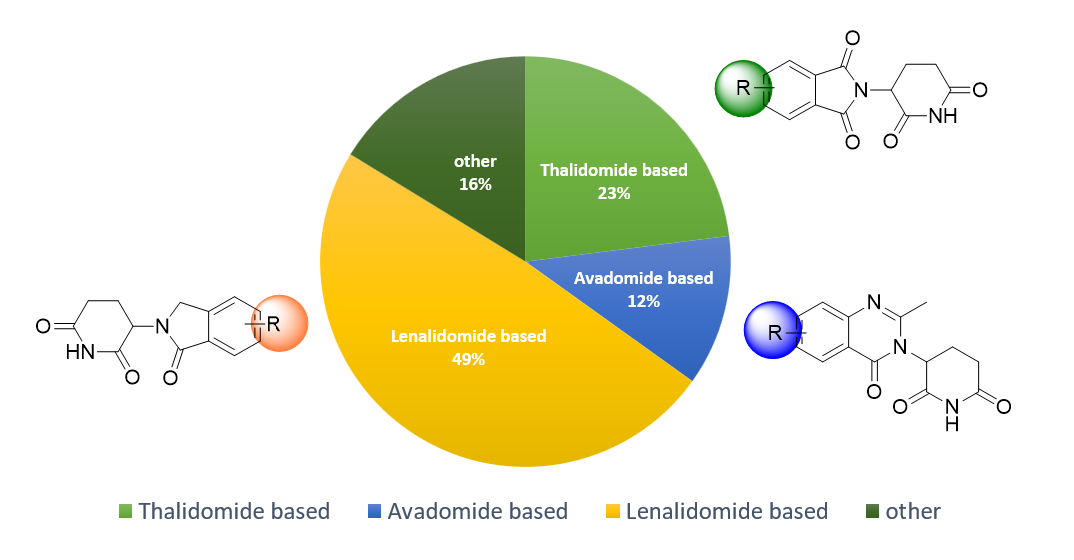
The library is primarily built around classical first-generation CRBN binders—Lenalidomide, Pomalidomide, and Avadomide— further diversified through structural modifications and variable attachment points to expand chemical diversity and functional potential.
We recommend this library as “binding first” interactome screening approach for discovery aiming on recruiting Cereblon E3 ligase.
Download SD file
Typical Formats
Catalog No.
IMiD Library
IMID-4900-10-Y-10
Compounds
4 900
14 plates
Amount
10 µL of 10 mM DMSO solutions
Plates and formats
384-well LDV Echo Qualified plates, 320 compounds per plate, first two and last two columns empty
Price
Catalog No.
Diverse CRBN Library
CRBN-960-50-Y-10
Compounds
960
3 plates
Amount
50 µL of 10 mM DMSO solutions
Plates and formats
384-well microplates, 320 compounds per plate, first two and last two columns empty
Price
Catalog No.
Avadomide Library
AVD-540-25-Y-10
Compounds
540
2 plates
Amount
25 µL of 10 mM DMSO solutions
Plates and formats
384-well plates, 320 compounds per plate, first and last columns empty
Price
Catalog No.
Covalent CRBN Library
CCRBN-160-20-X-20
Compounds
160
2 plates
Amount
20 µL of 20 mM DMSO solutions
Plates and formats
96-well plates, 80 compounds per plate, first and last columns empty; Grainer #781270
Price
*We will be happy to provide our library in any other most convenient for your project format. Please select among the following our standard microplates: Greiner Bio-One 781270, 784201, 781280, 651201 or Echo Qualified 001-12782 (LP-0200), 001-14555 (PP-0200), 001-6969 (LP-0400), C52621 or send your preferred labware. Compounds pooling can be provided upon request.
Library Design
Our library was designed using trusted scaffolds and enriched through a range of MedChem reliable reactions. By applying diverse synthetic strategies and carefully selected modification sites, we ensured good CRBN-binding affinity while expanding chemical diversity. The result is a structurally rich collection that offers wide chemical space coverage and serves as a powerful resource for discovery projects.
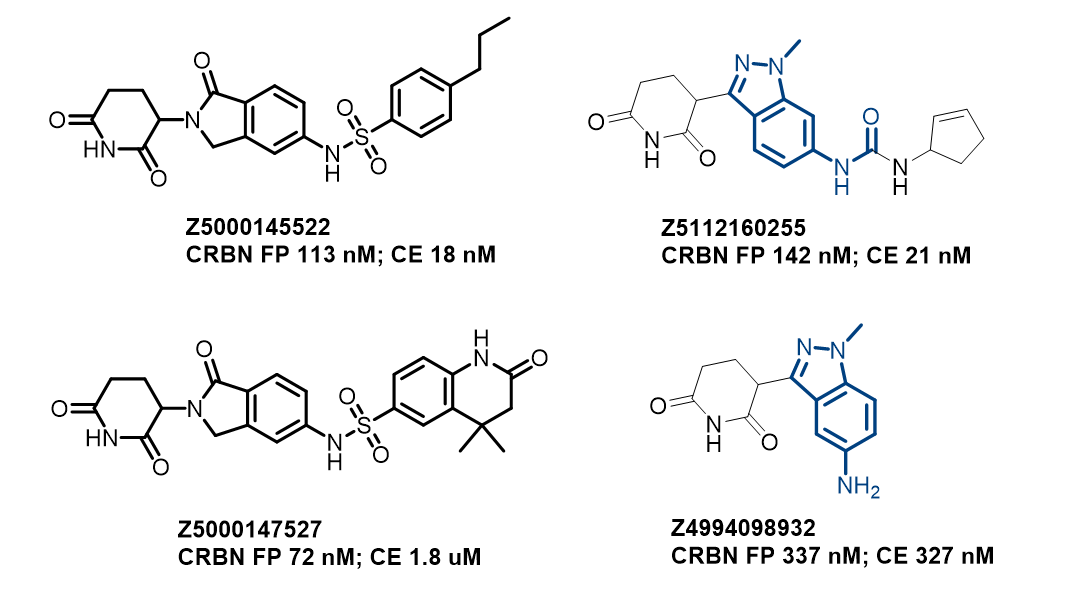
- Scaffold-based synthesis: All compounds were designed using well-established CRBN binder scaffolds with emphasis on 4- and 5-substituted Lenalidomide scaffolds, proven to tolerate modifications while maintaining strong CRBN-binding affinity.
- Synthetic diversity: Achieved through seven widely used medicinal chemistry reactions—amide coupling, sulfamidation, nucleophilic substitution, Suzuki and Buchwald couplings, urea formation, and click chemistry.
- Broad chemical space coverage: Incorporation of structurally diverse, pharmacophore-rich reagents to maximize diversity and expand chemical space.
Library composition
Examples of Compounds in the Library
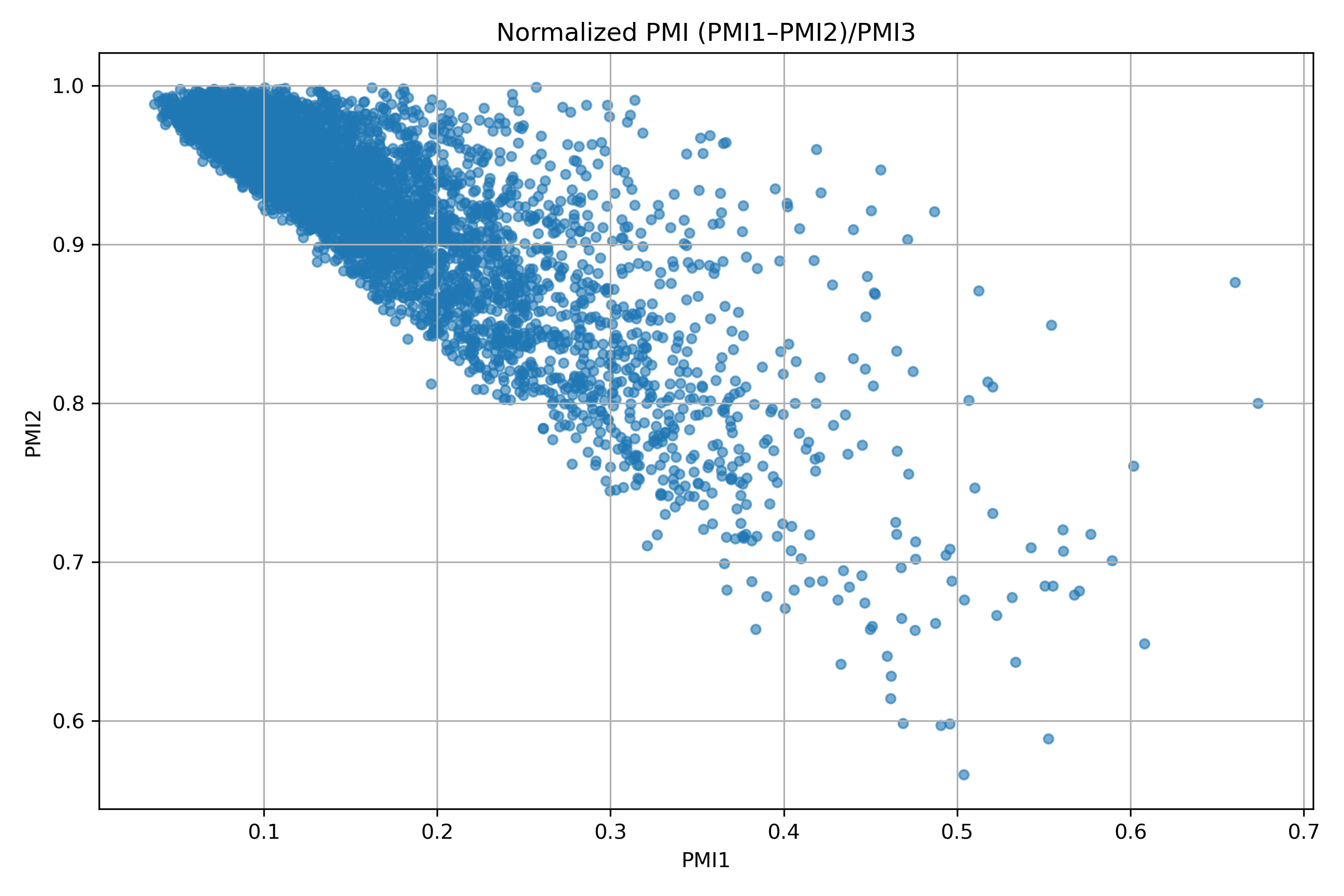
IMiD Library PMI distribution
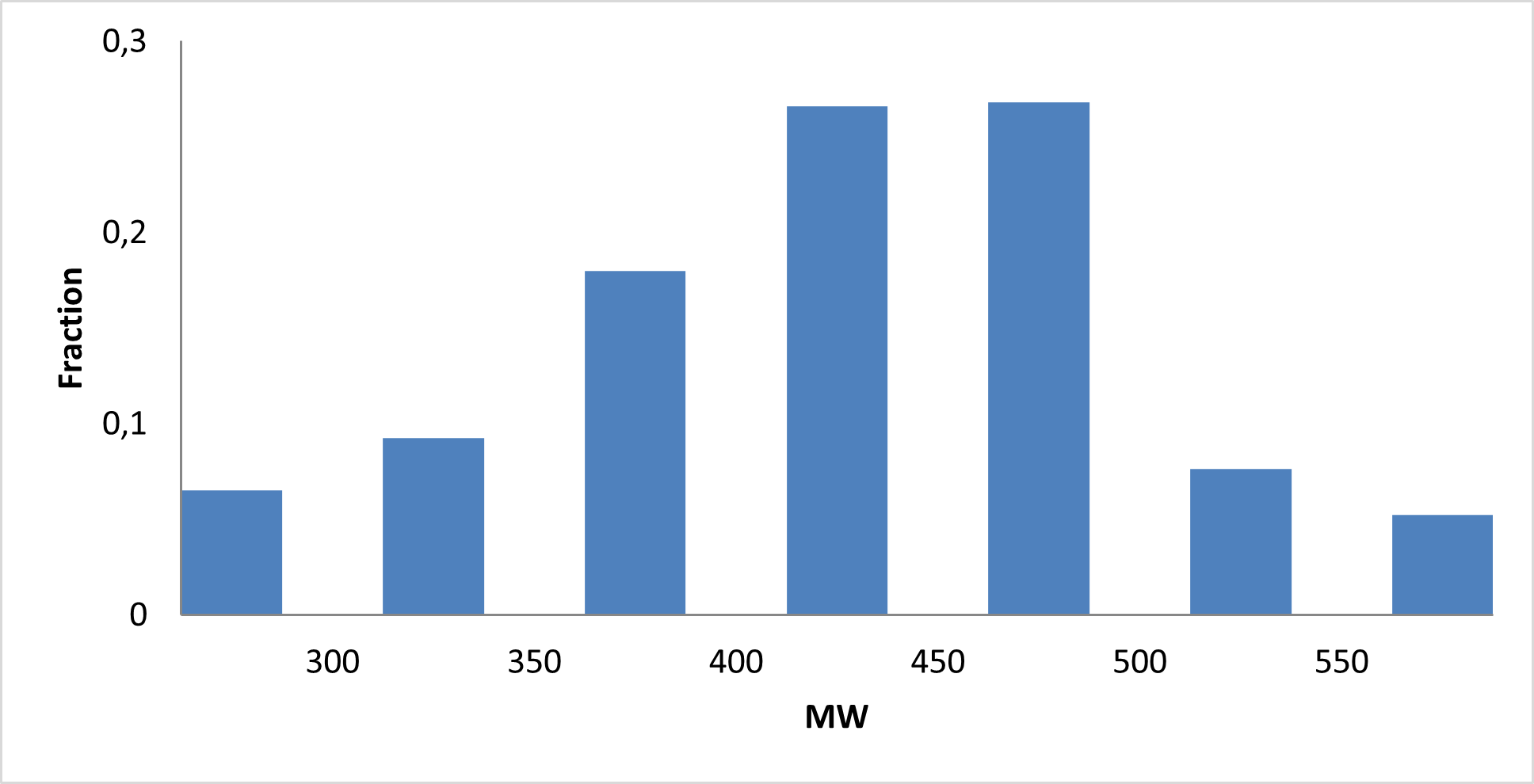
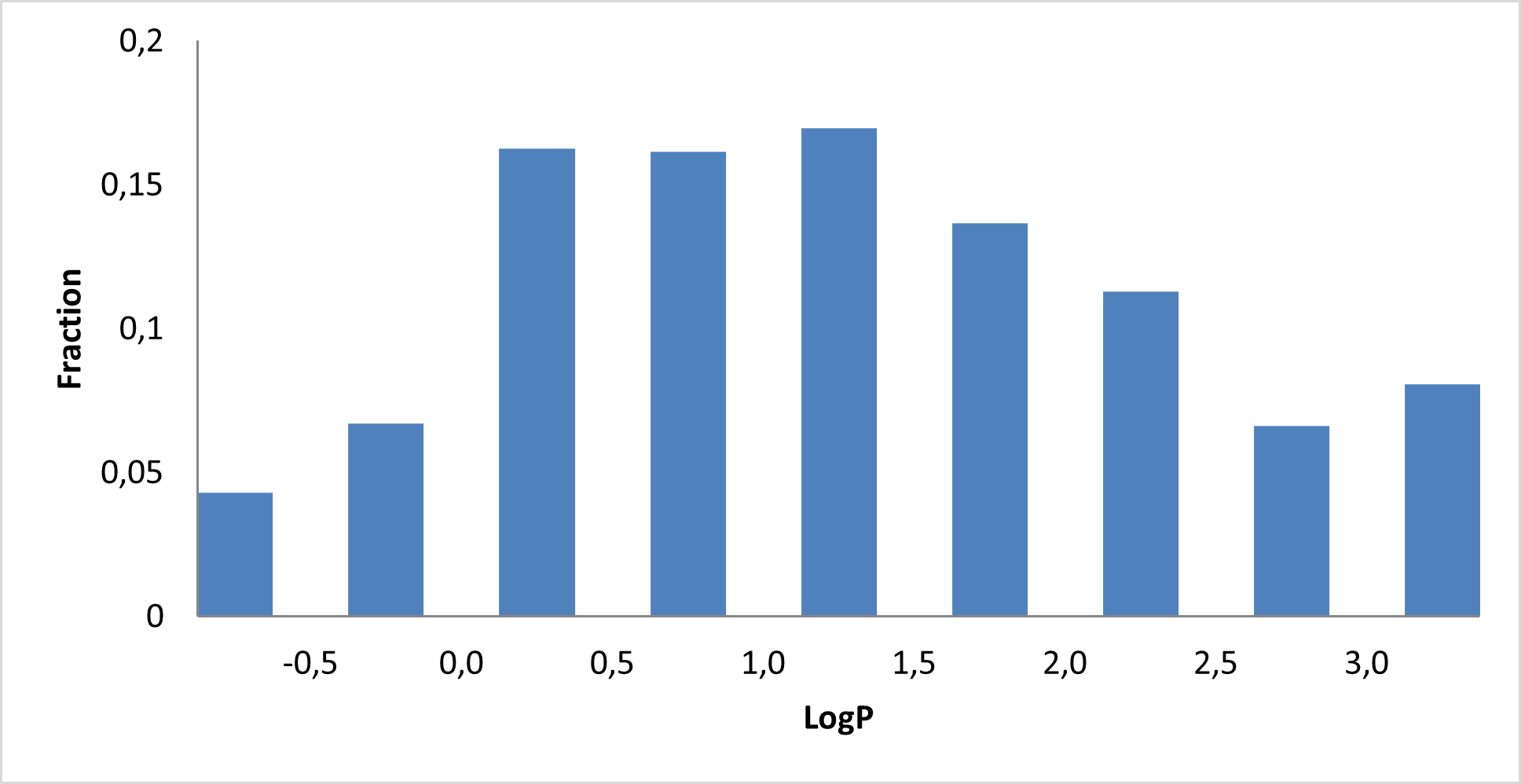
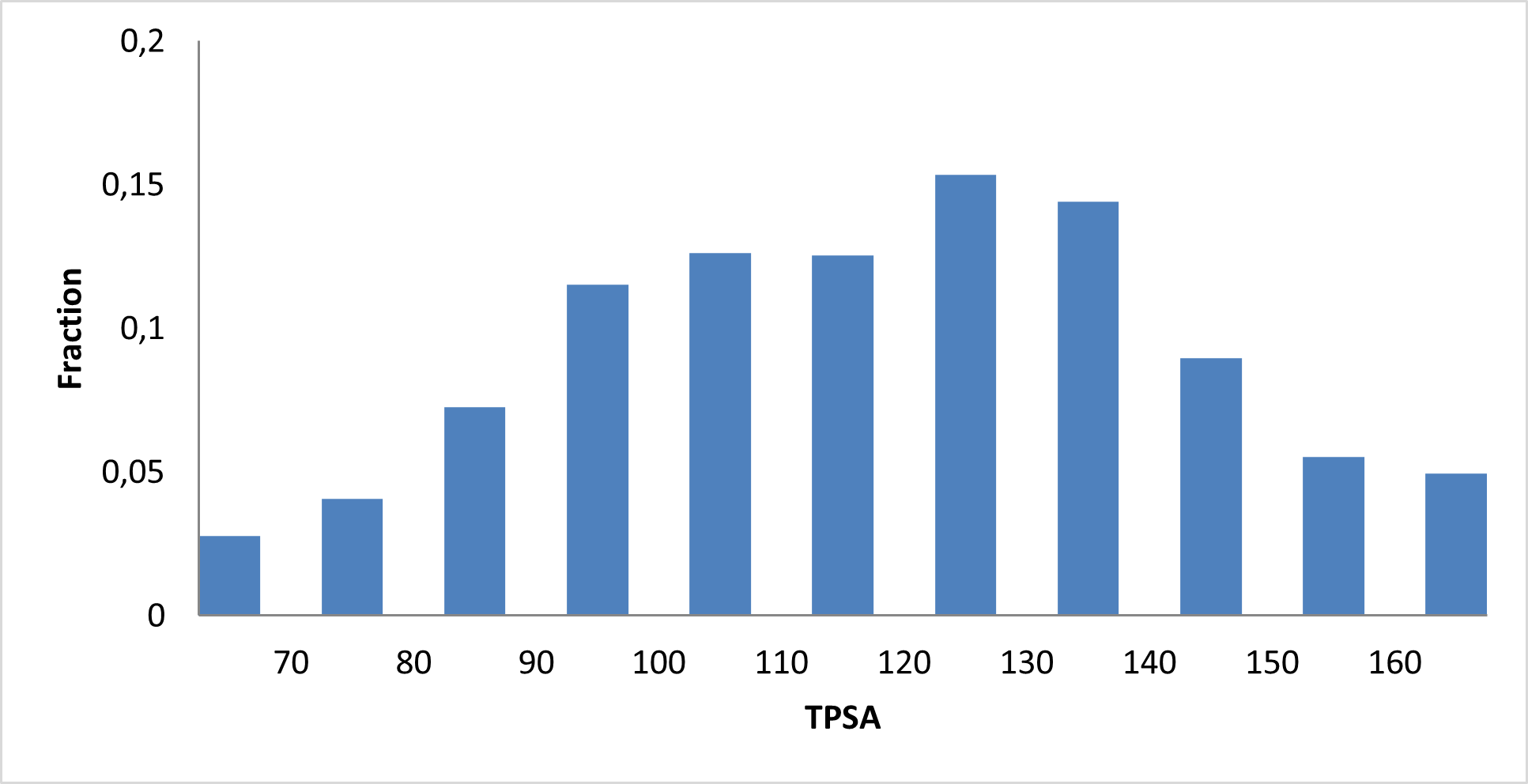
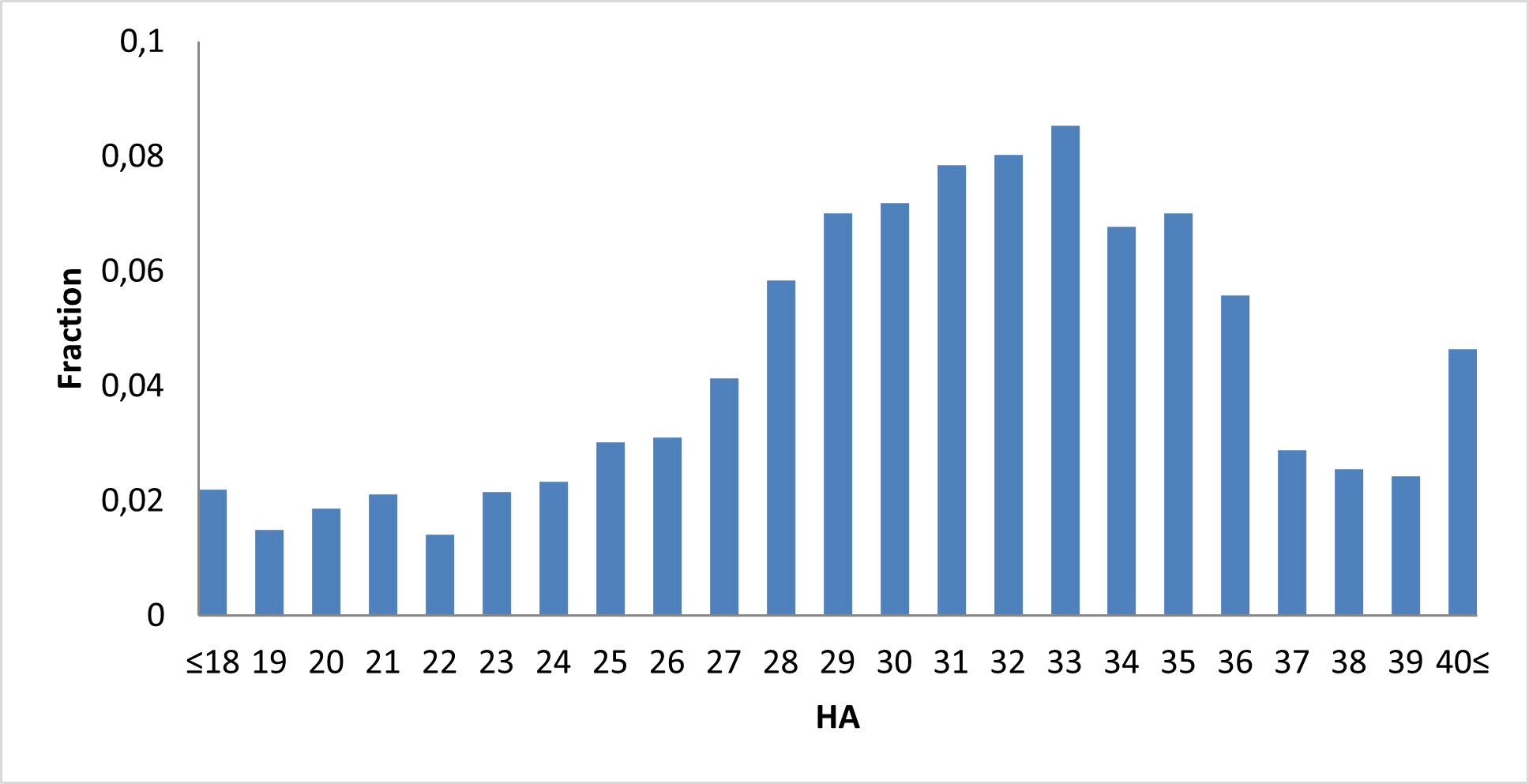
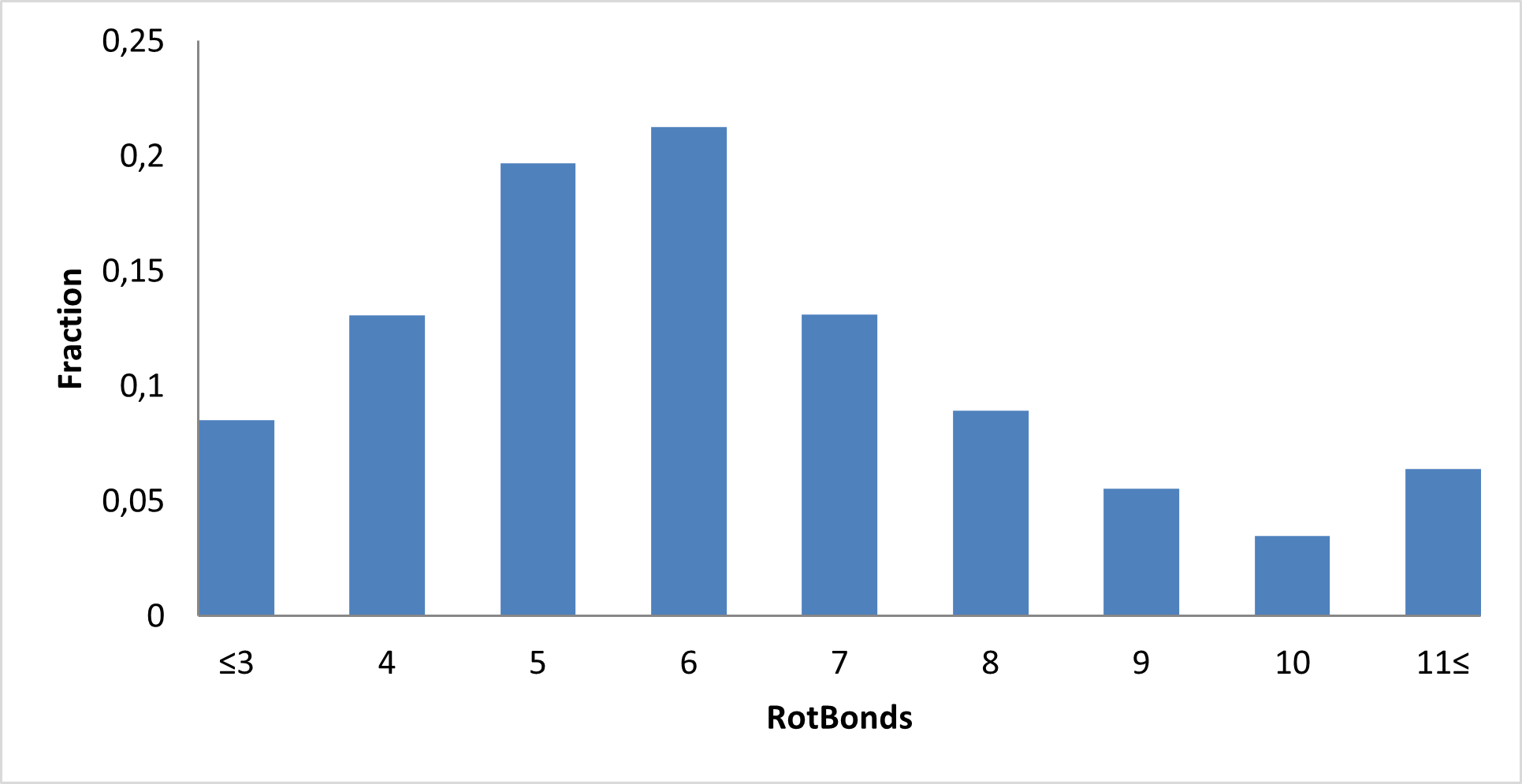
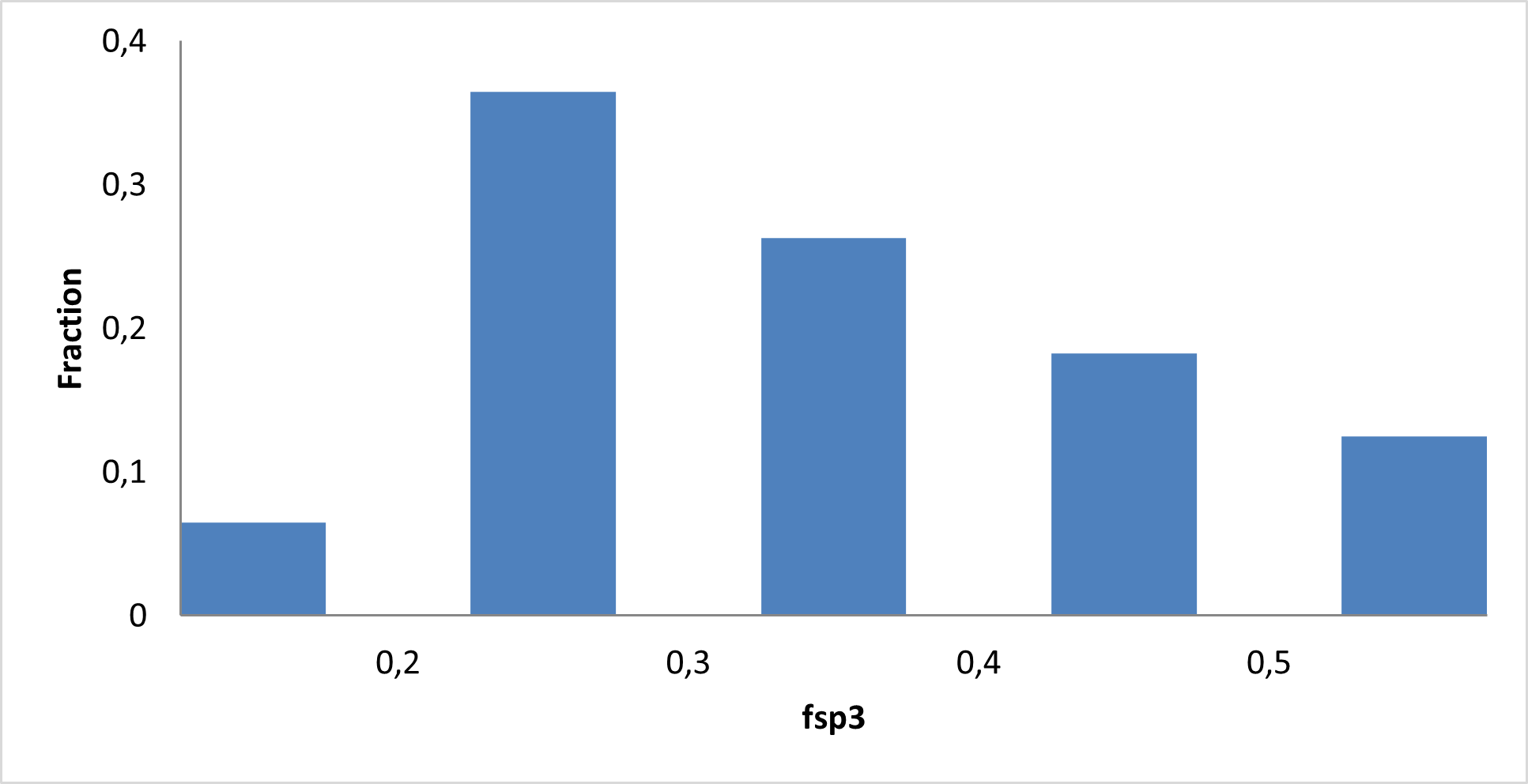
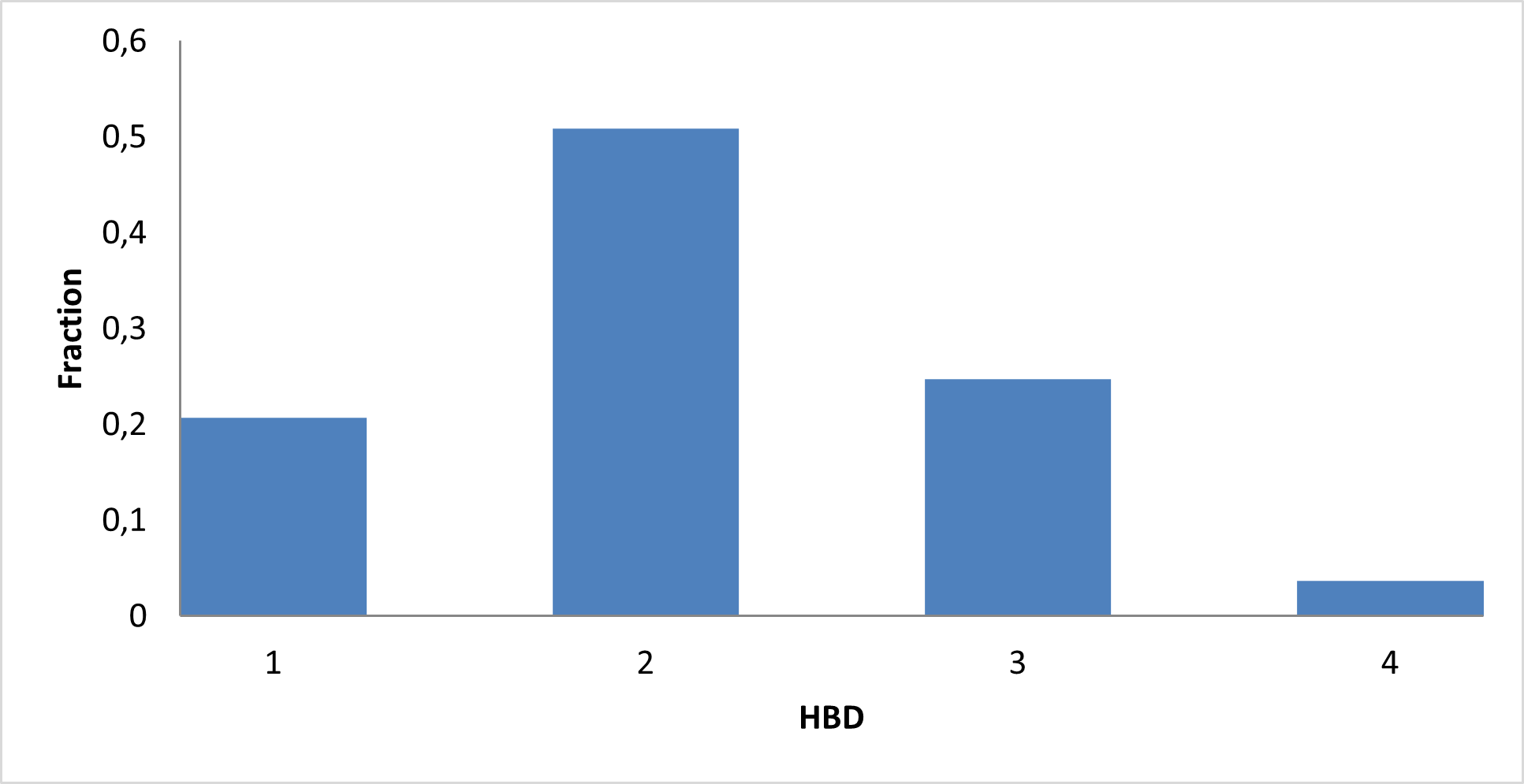
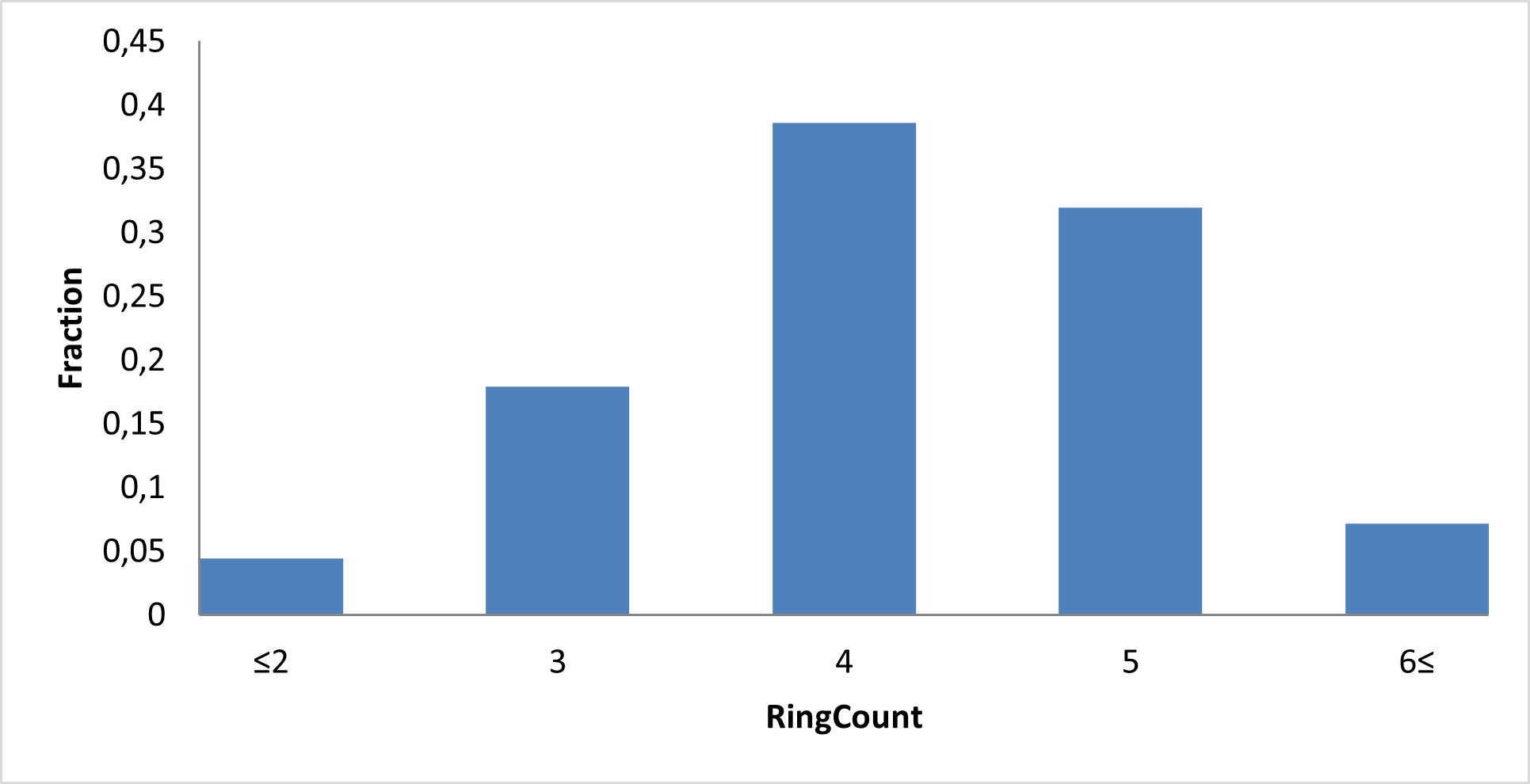
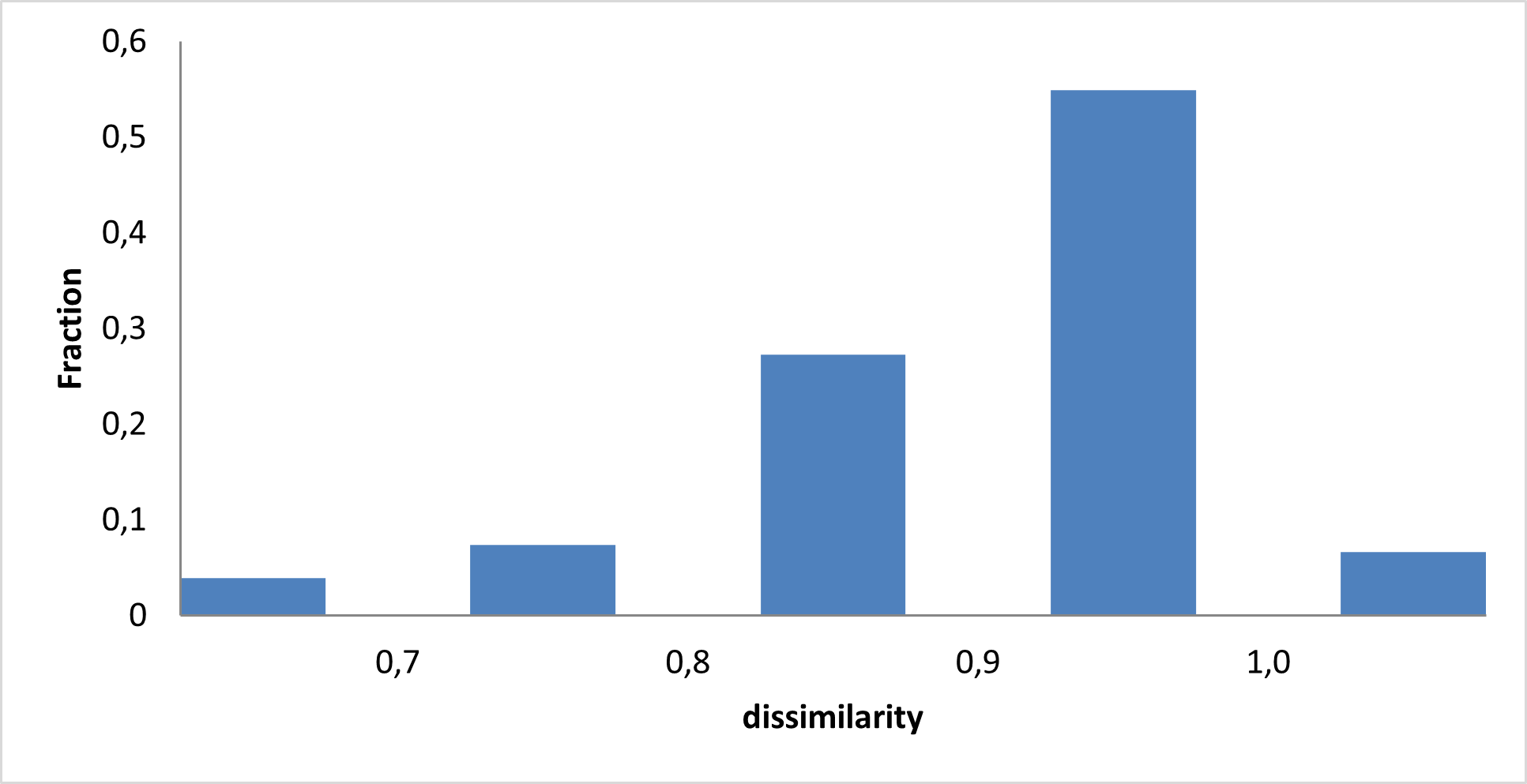
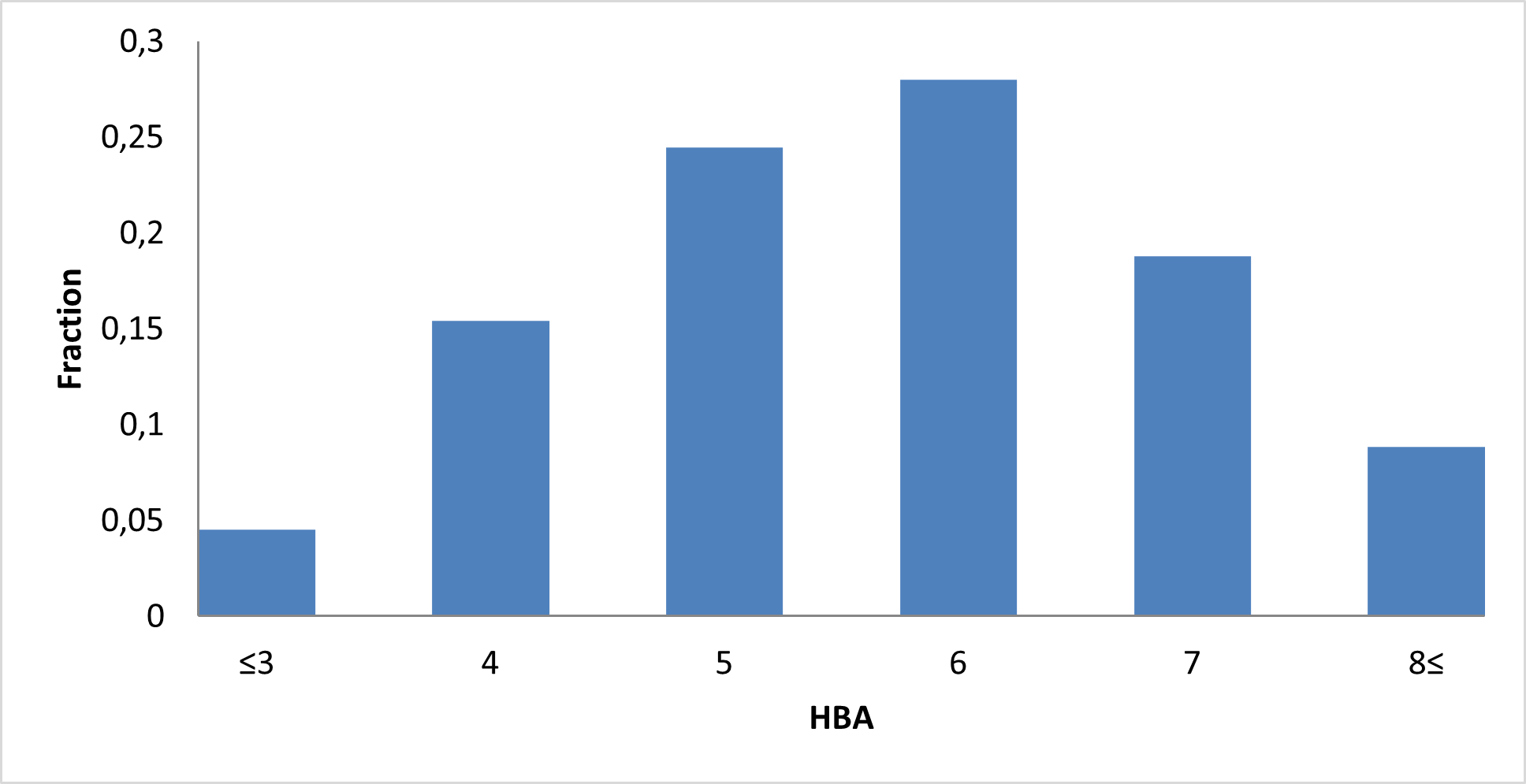
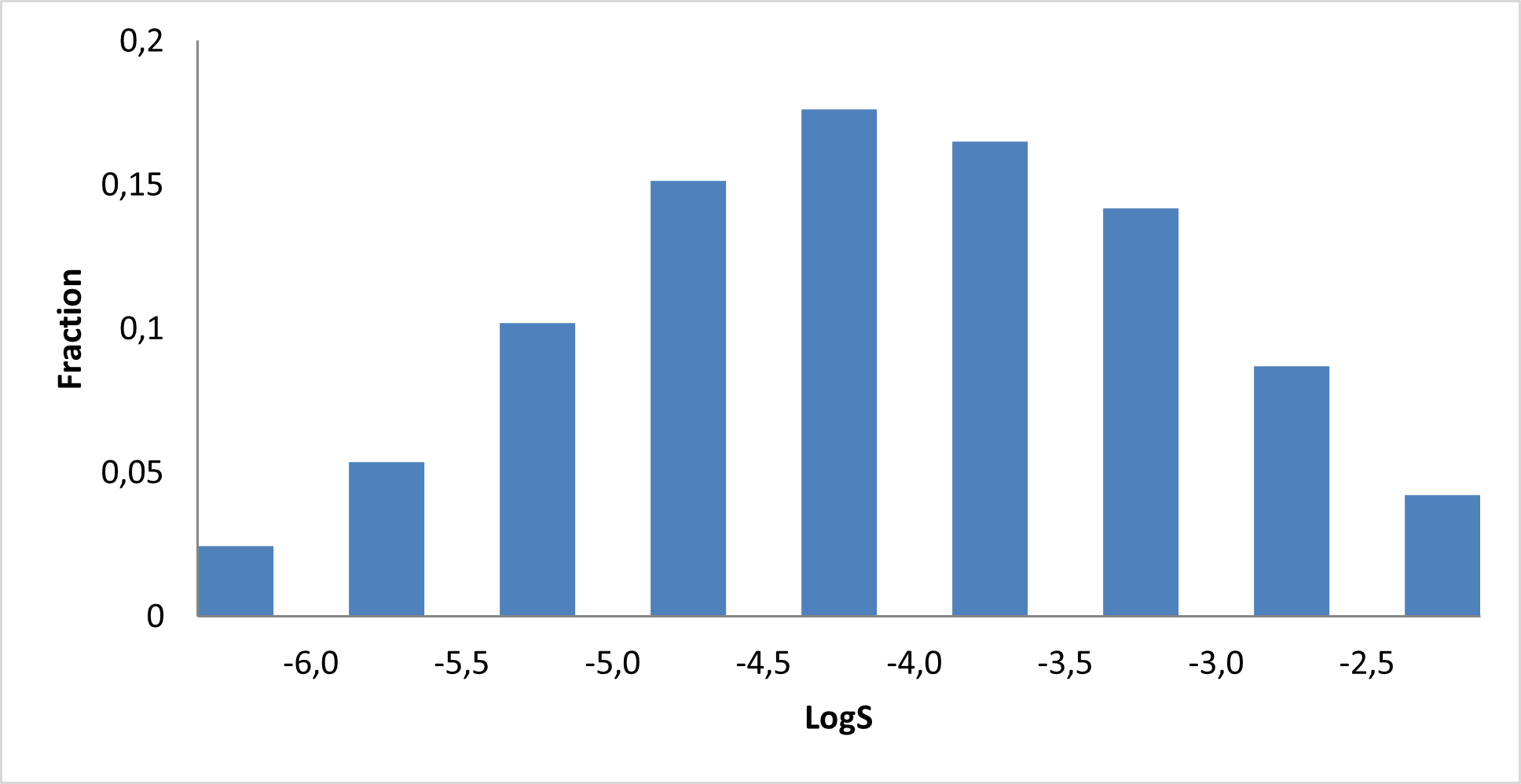
Molecular properties
Support
We offer comprehensive support in developing your hit compounds. Naturally such programs are realised most efficiently when biological actives originate from our screening collection. However, even if the hit compounds are from the collections of other vendors lead identification and optimization projects can proceed most productively in our hands. Sometimes for this we only need to synthesize first examples of the given chemical series and validate synthesis route.