Electrophilic binders capable of covalently modifying cysteine residues in ATP and allosteric kinase pockets
5 520 compounds
Covalent targeting of kinases has long and outstanding place in drug discovery. This approach has already delivered 12 FDA-approved drugs with remarkable results in clinics. Despite all the challenges of covalent drug discovery targeting kinases remain the main field for this approach, now sharing it with Induced Proximity and Protein Degradation strategy. Careful selection of electrophilic warheads is one of the key aspect to achieve selectivity and minimizing off target effects.
Typical Formats
Catalog No.
KCL-5520-5-Z-10
Compounds
5520
5 plates
Amount
5 uL of 10 mM DMSO solutions
Plates and formats
1536-well acoustic LDV microplates, first and last four columns empty, 1280 compounds per plate
Price
Catalog No.
KCL-5520-10-Y-10
Compounds
5520
15 plates
Amount
10 µL of 10mM DMSO stock solutions
Plates and formats
384-well acoustic LDV plates, Labcyte #LP-0200 1, 2 and 23, 24 columns empty, 320 compounds per plate
Price
Catalog No.
KCL-5520-50-Y-10
Compounds
5520
15 plates
Amount
50 µL of 10mM DMSO solutions
Plates and formats
384-well plates, Greiner #784201, 1, 2 and 23, 24 columns empty, 320 compounds per plate
Price
*We will be happy to provide our library in any other most convenient for your project format. Please select among the following our standard microplates: Greiner Bio-One 781270, 784201, 781280, 651201 or Echo Qualified 001-12782 (LP-0200), 001-14555 (PP-0200), 001-6969 (LP-0400), C52621 or send your preferred labware. Compounds pooling can be provided upon request.
Download SD file
To create this library, we selected dataset of mild electrophiles capable of Cys binding and carefully analyzed Kinase Cysteinome using all reported PDB structures with accessible Cys-residues.
- Presence of Cys residues in ATP or allosteric pocket accessible for binding with small molecules
- Acrylamides and their substituted analogs were used for docking
- Visual inspection of binding poses after docking calculations
Cysteine residue positions are potentially amenable to covalent targeting
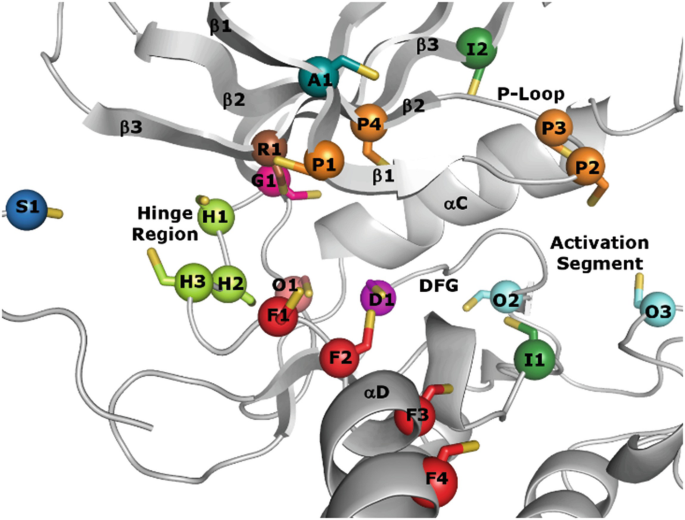
Colors are assigned accordingly to the regions where the cysteines are located – Orange: Glycine-rich loop/P-loop; Pink: Gatekeeper residue; Light green: Hinge region; Red: front region, pocket access; Magenta: pre-DFG motif; Salmon: backpocket; Brown roof region; Cyan activation segment; Blue: outside of the ATP-pocket; Dark-green/deep-teal: positions exposed in inactive kinase conformations (DFG-out) and additional position.
Picture from Angew. Chem. Int. Ed. 2018, 57, 4372.
Covalent interaction with Cys in kinases allosteric binding pockets
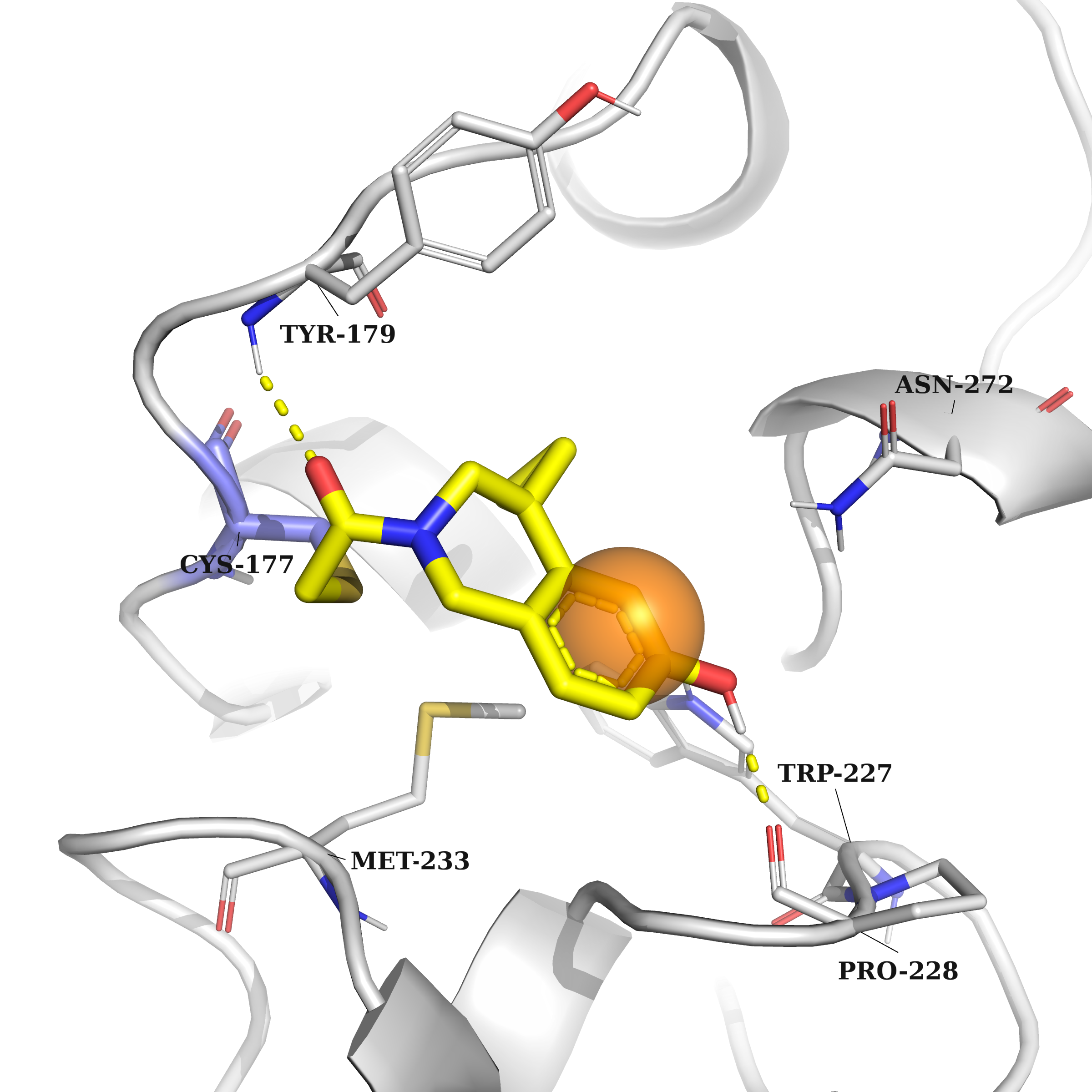
Predicted binding of covalent compound to CDK2 Cys177 and π-stacking interaction Pro228 and Asn272
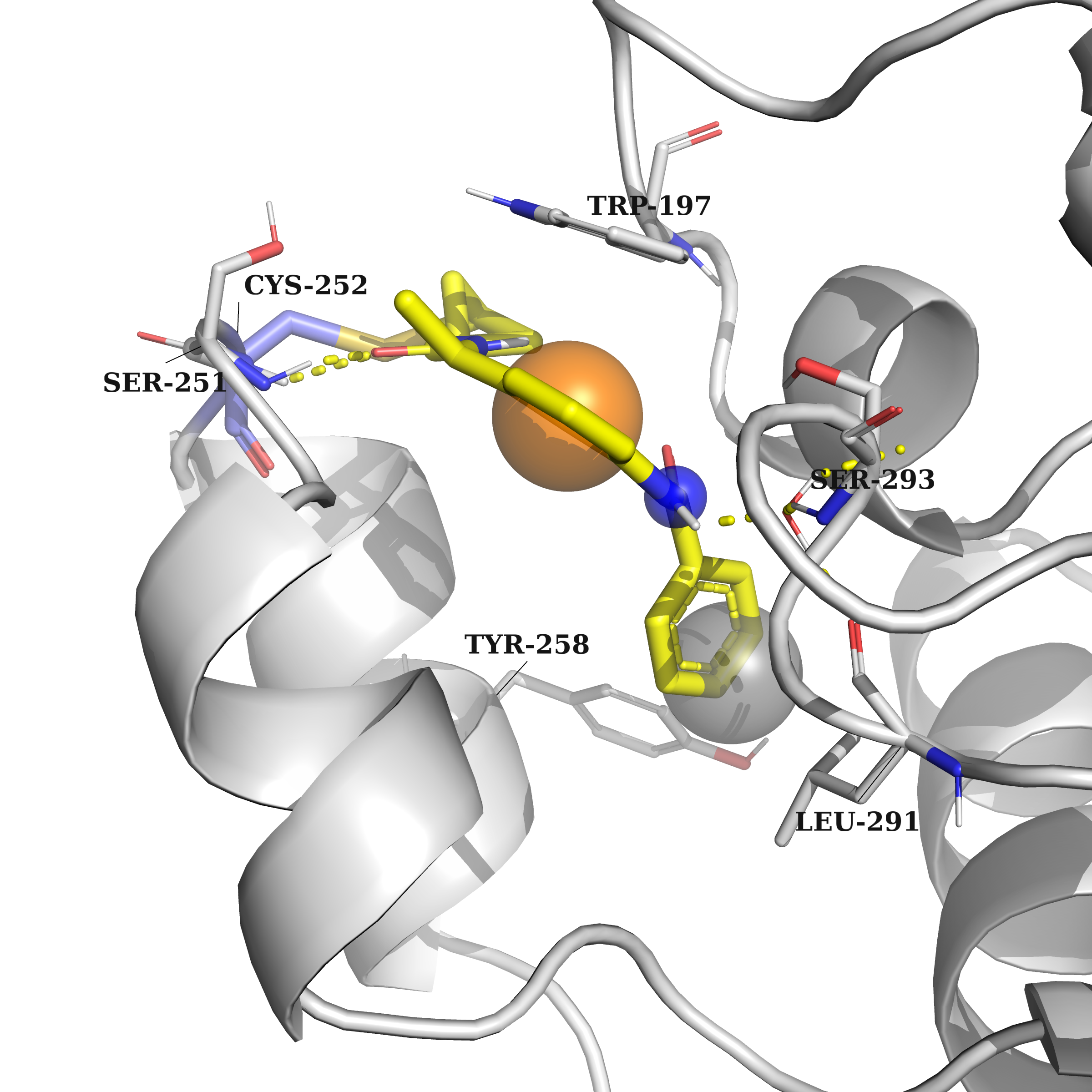
Lipid Pocket of p38alpha: covalent interaction with Cys252, stacking interaction with Trp197, sub-pocket near Leu291, and a water-mediated bridge with the Ser293 peptide backbone.
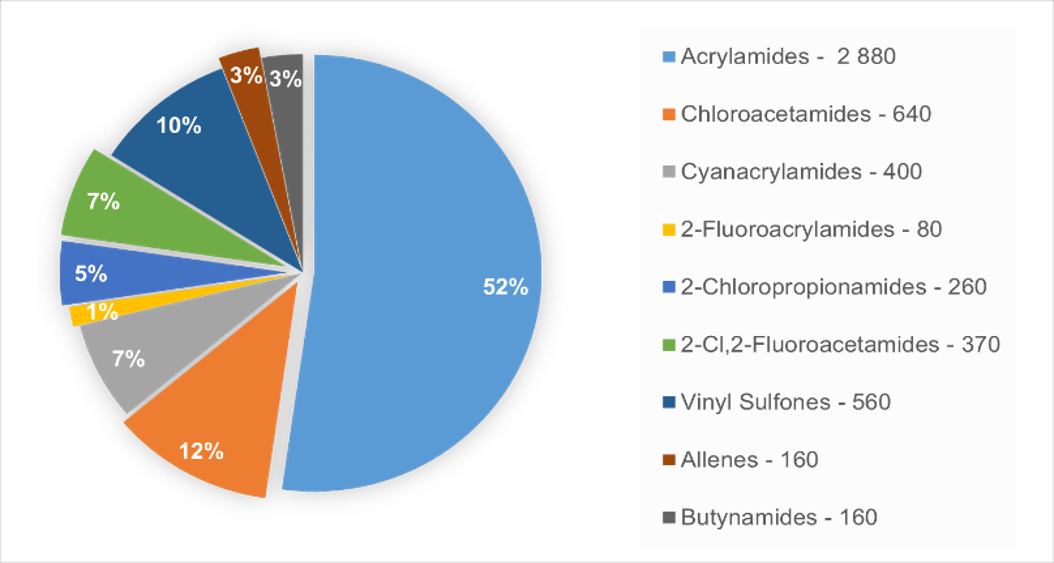
Distribution by Covalent Warheads
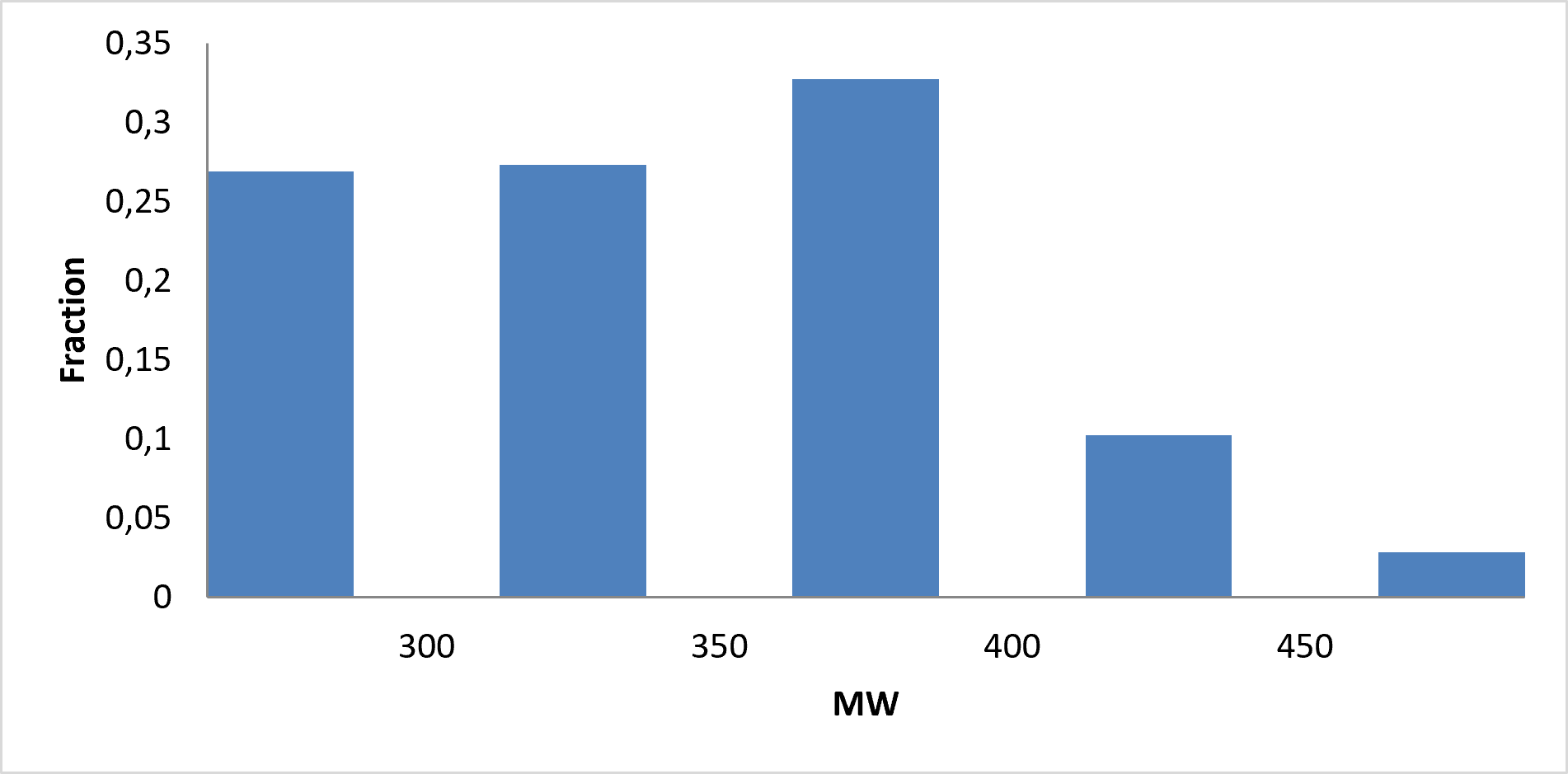
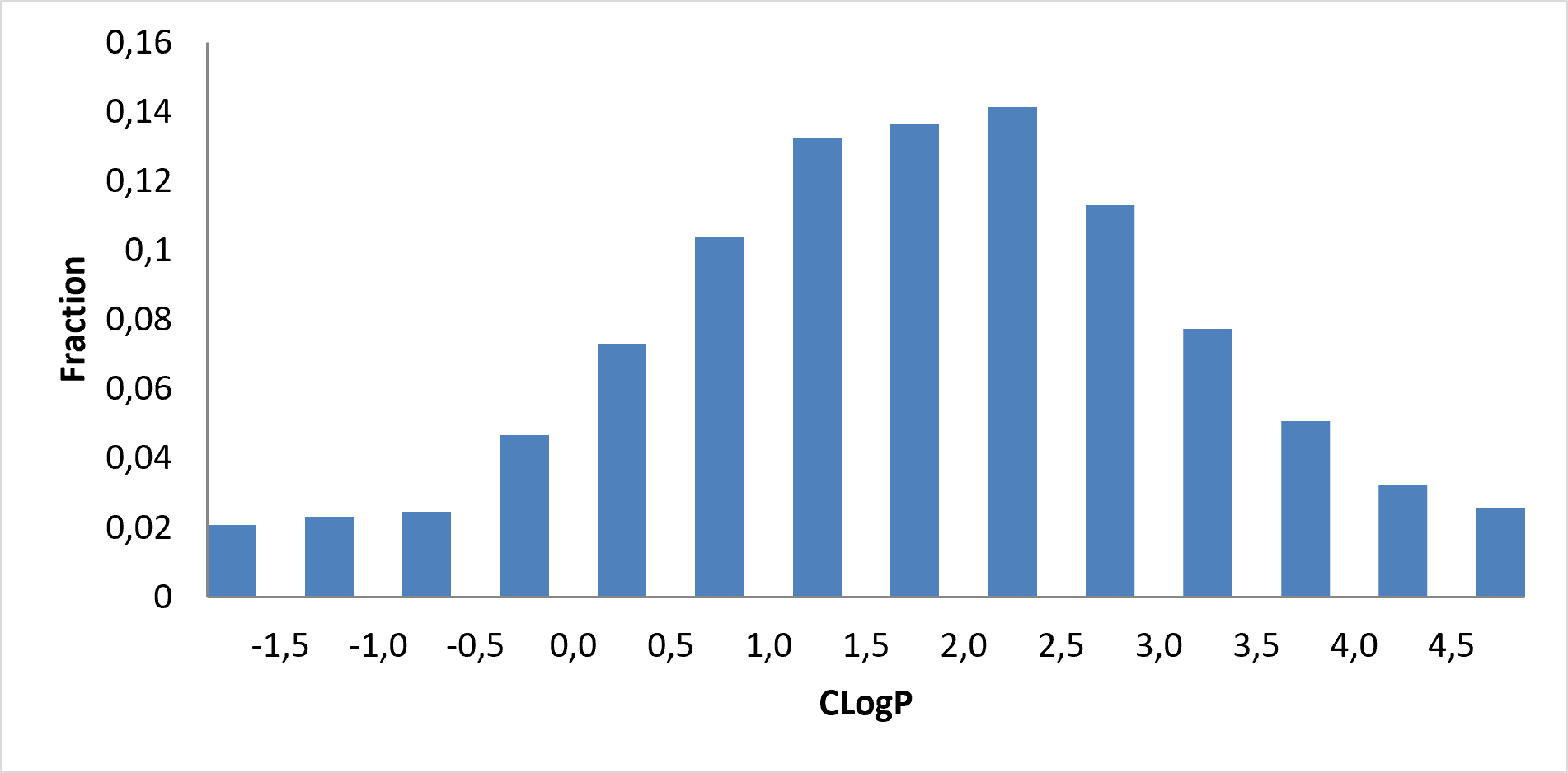
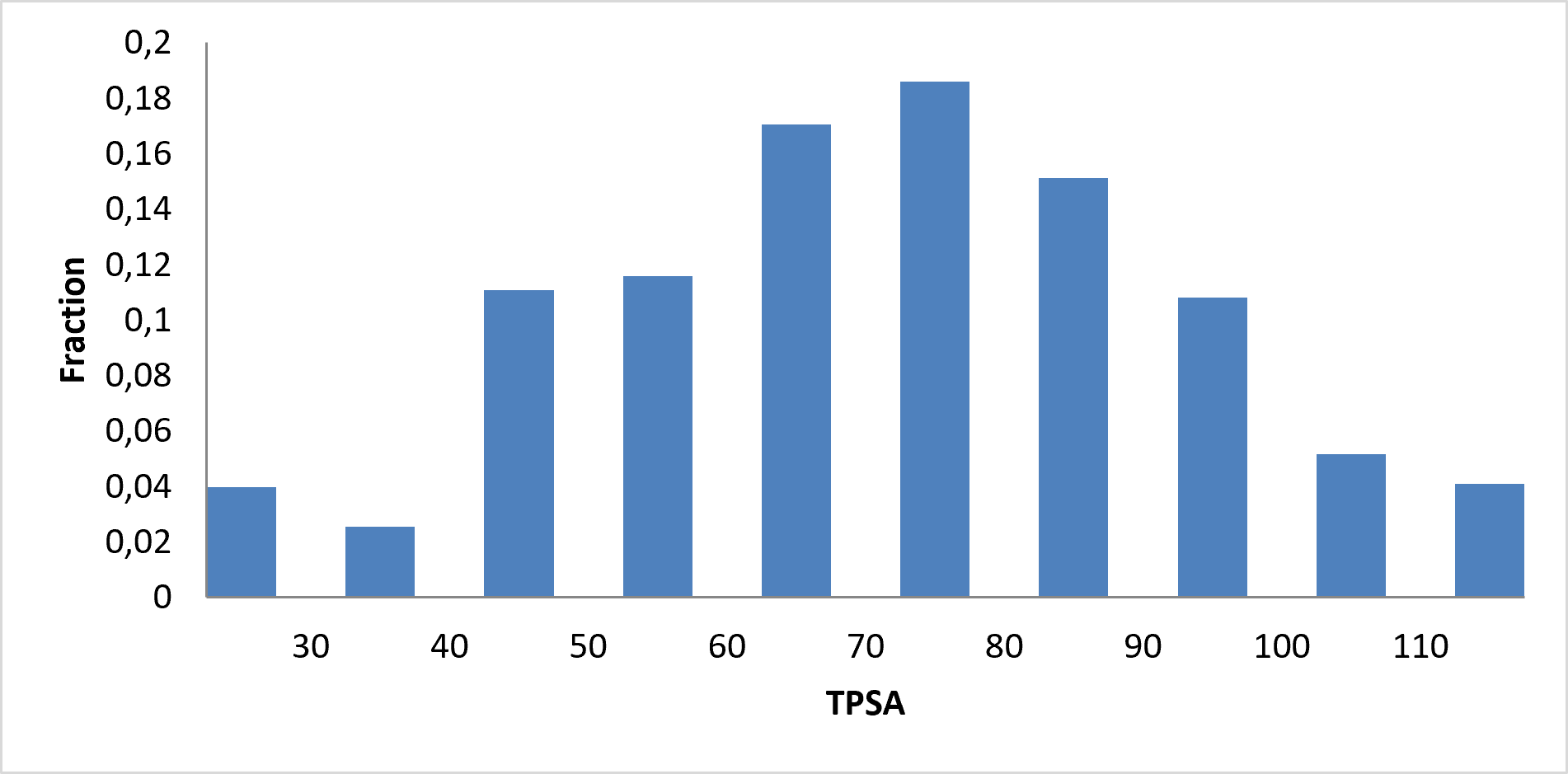
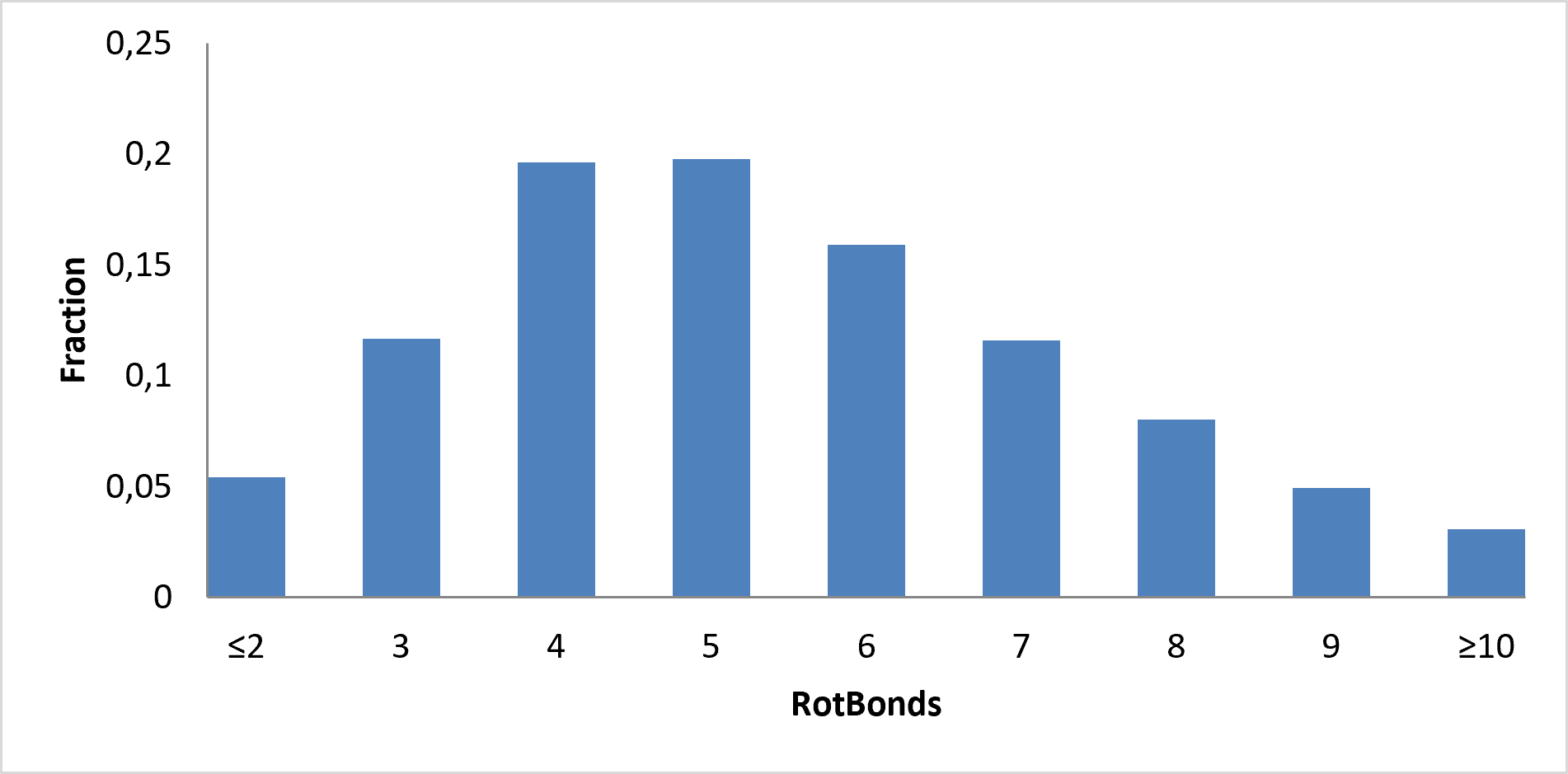
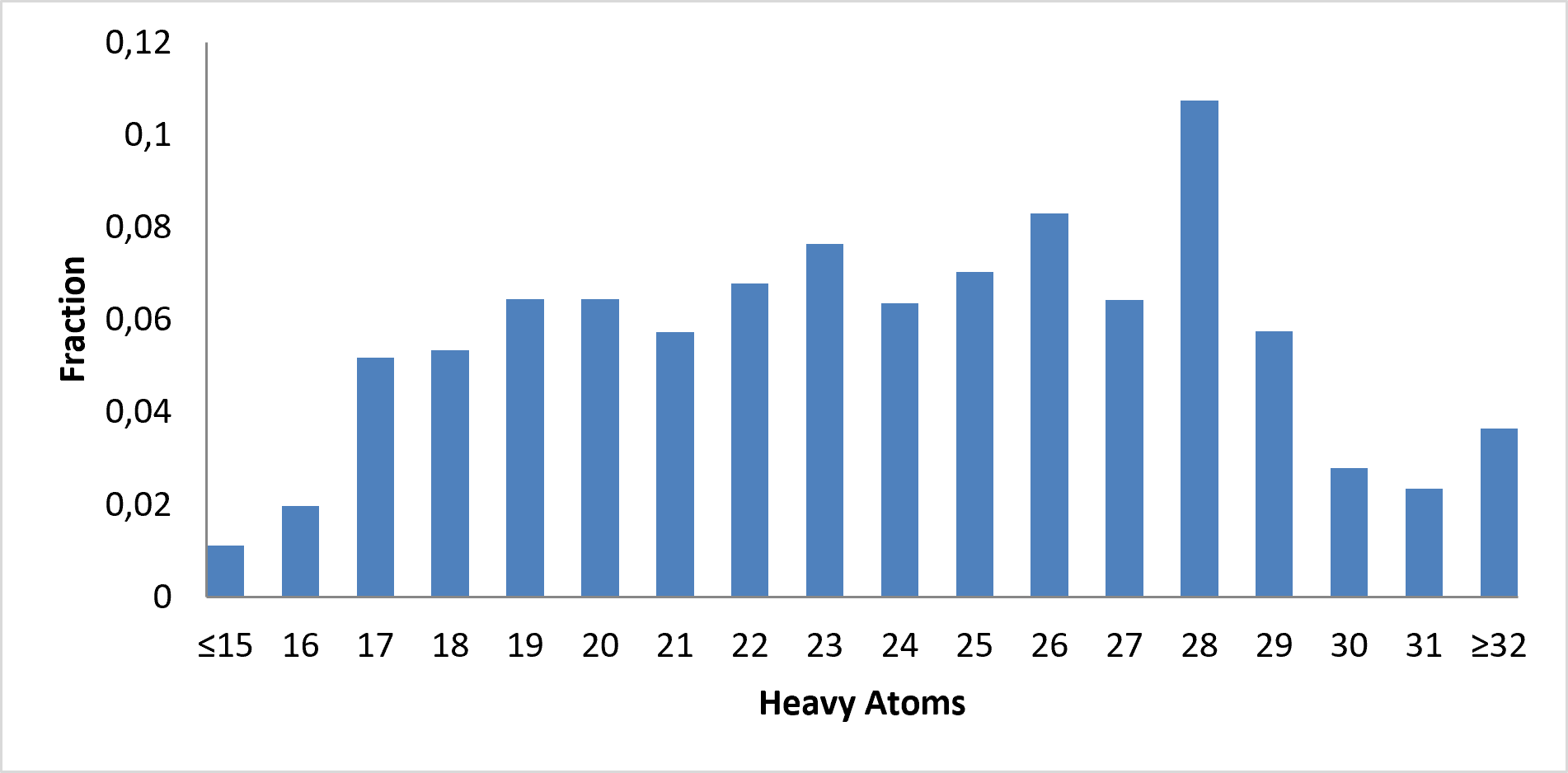
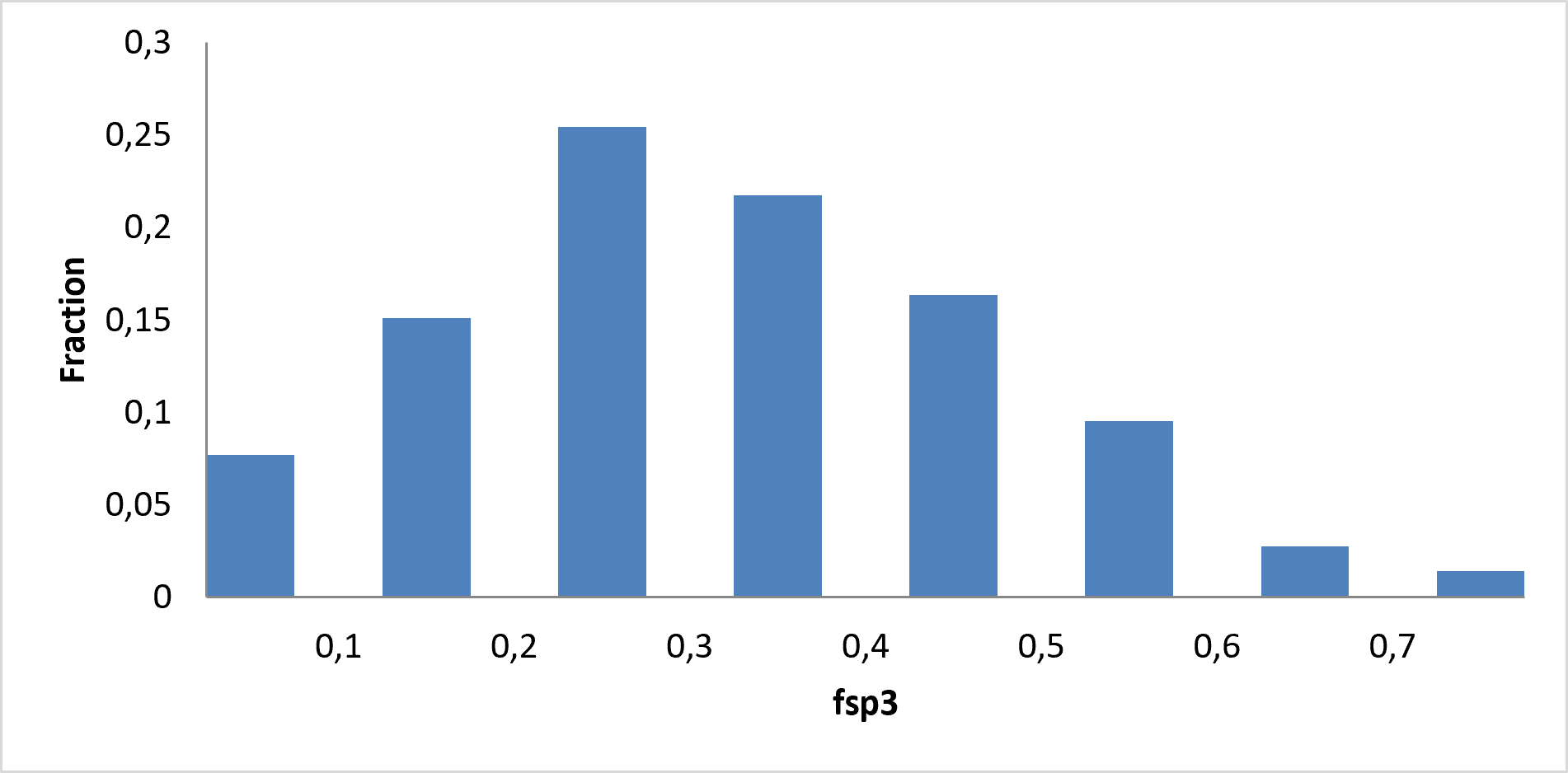
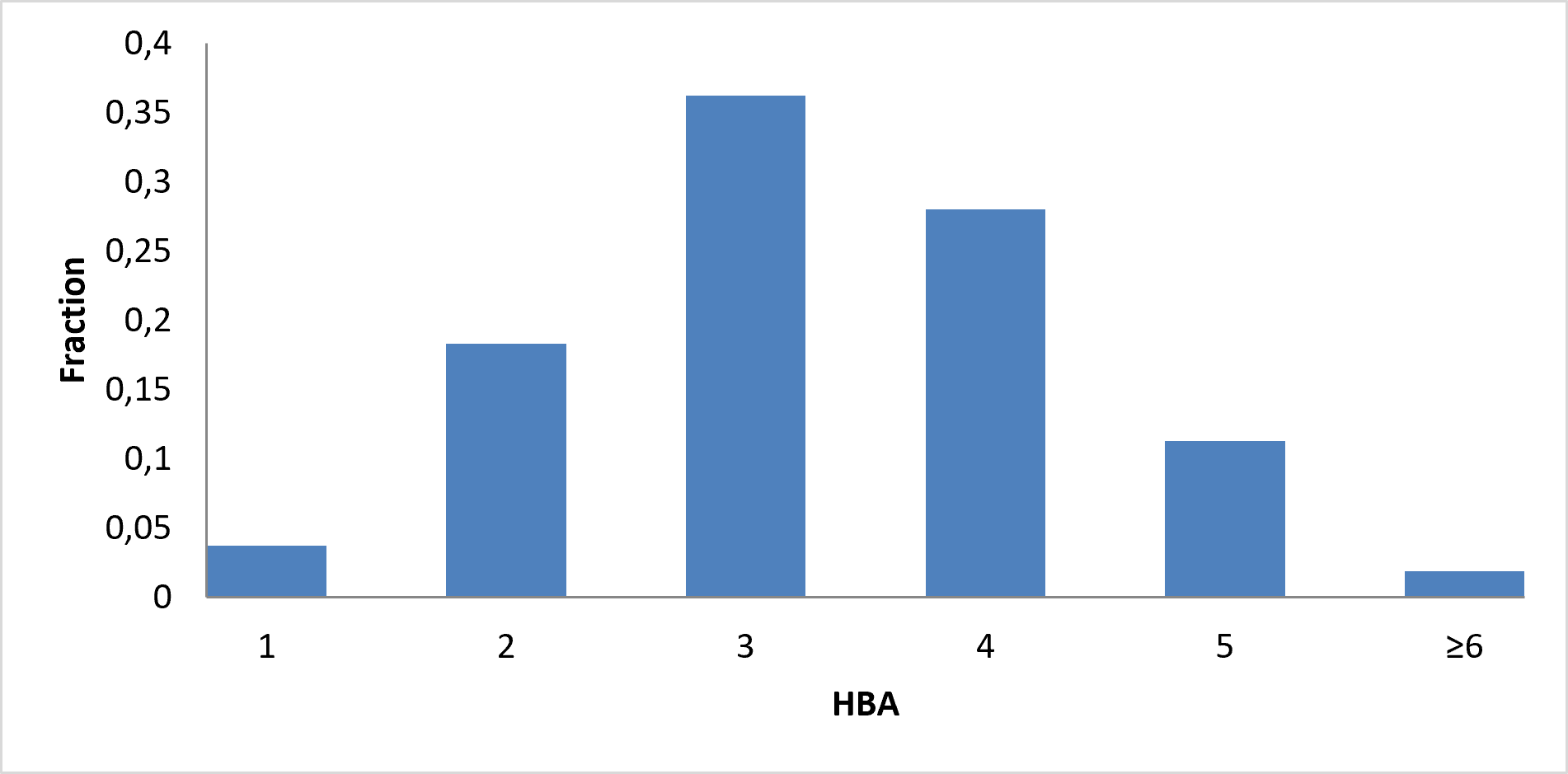
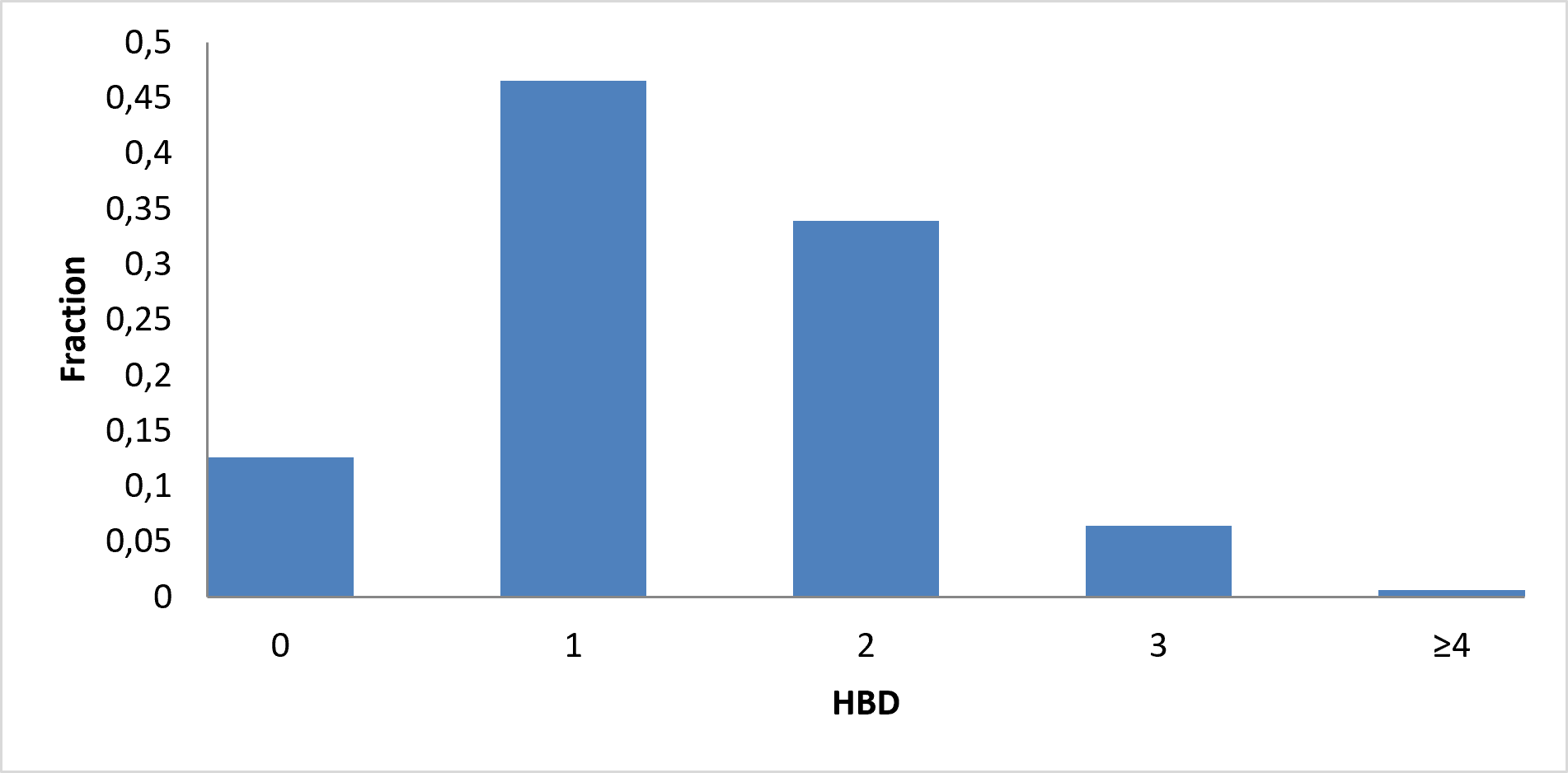
Molecular properties